Animal Farm
About the production
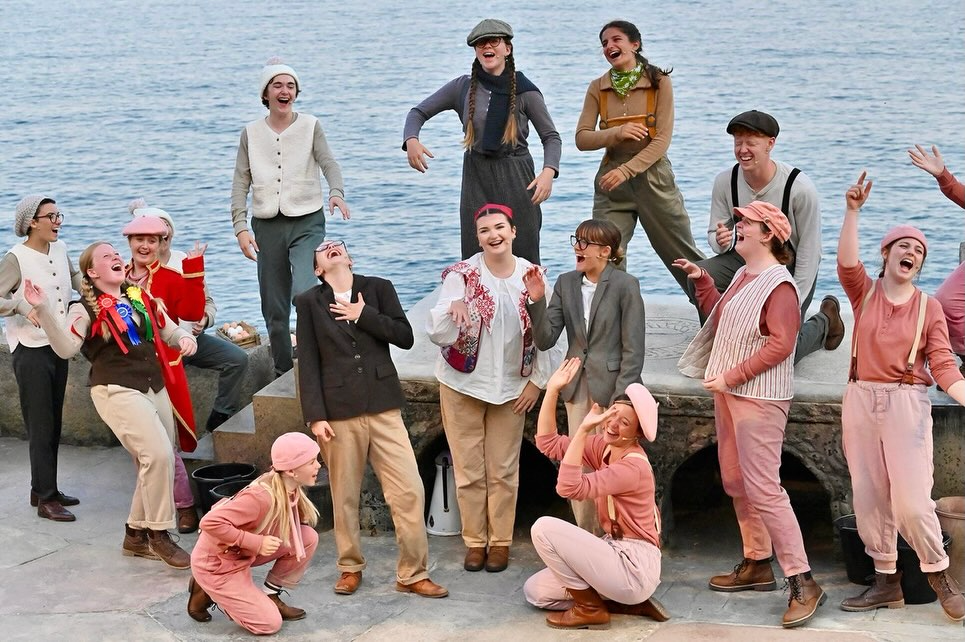
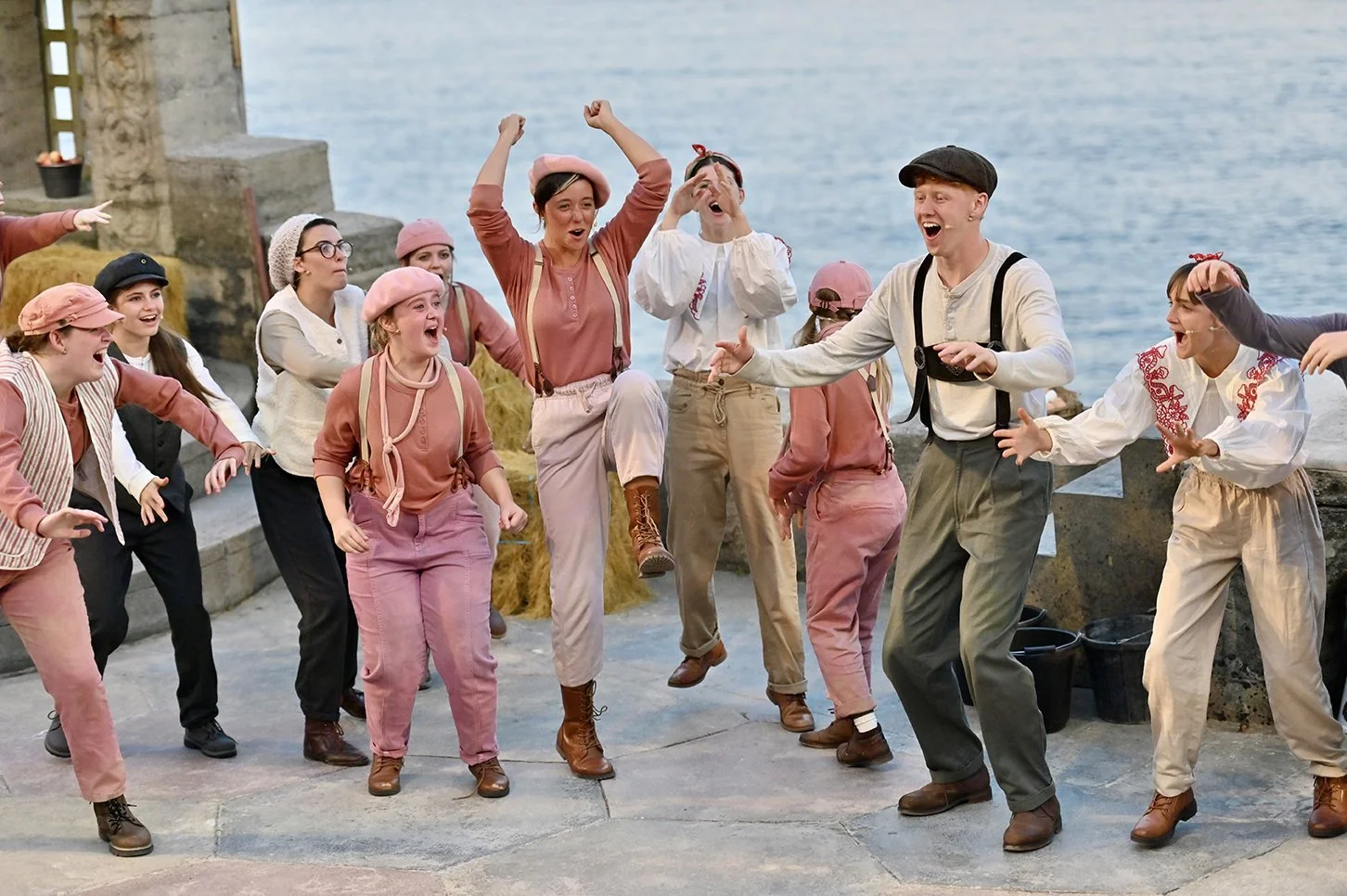
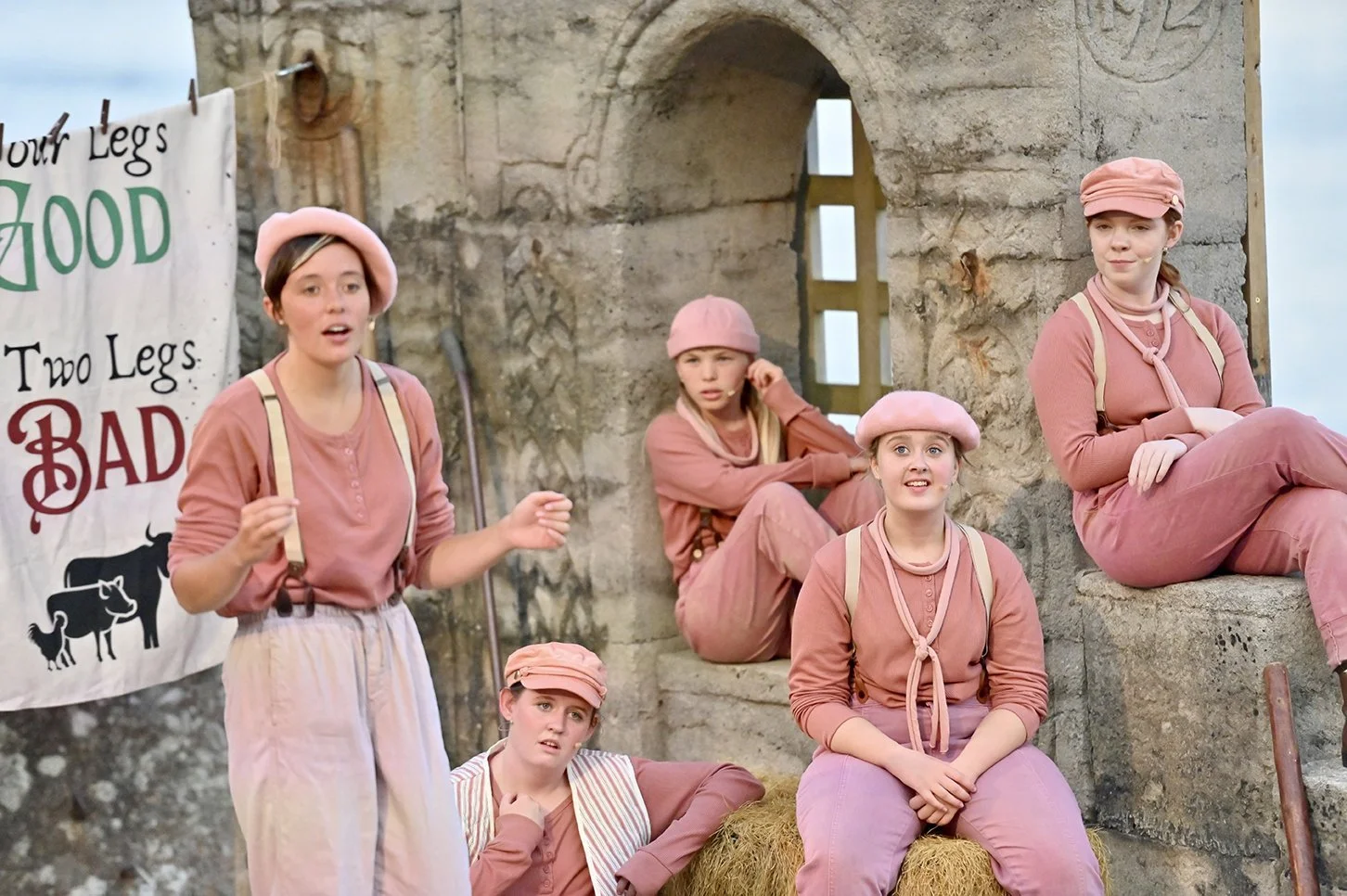
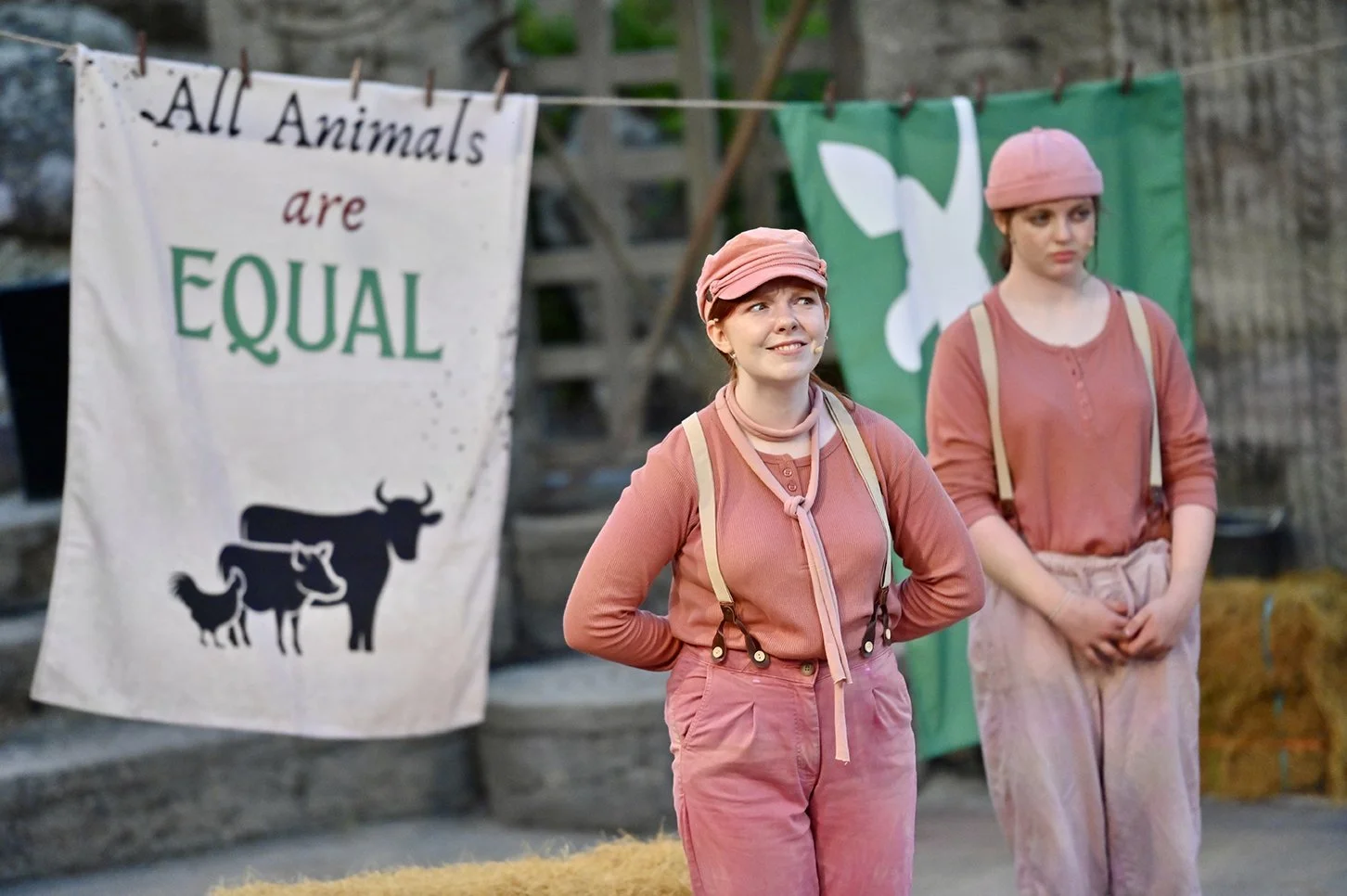
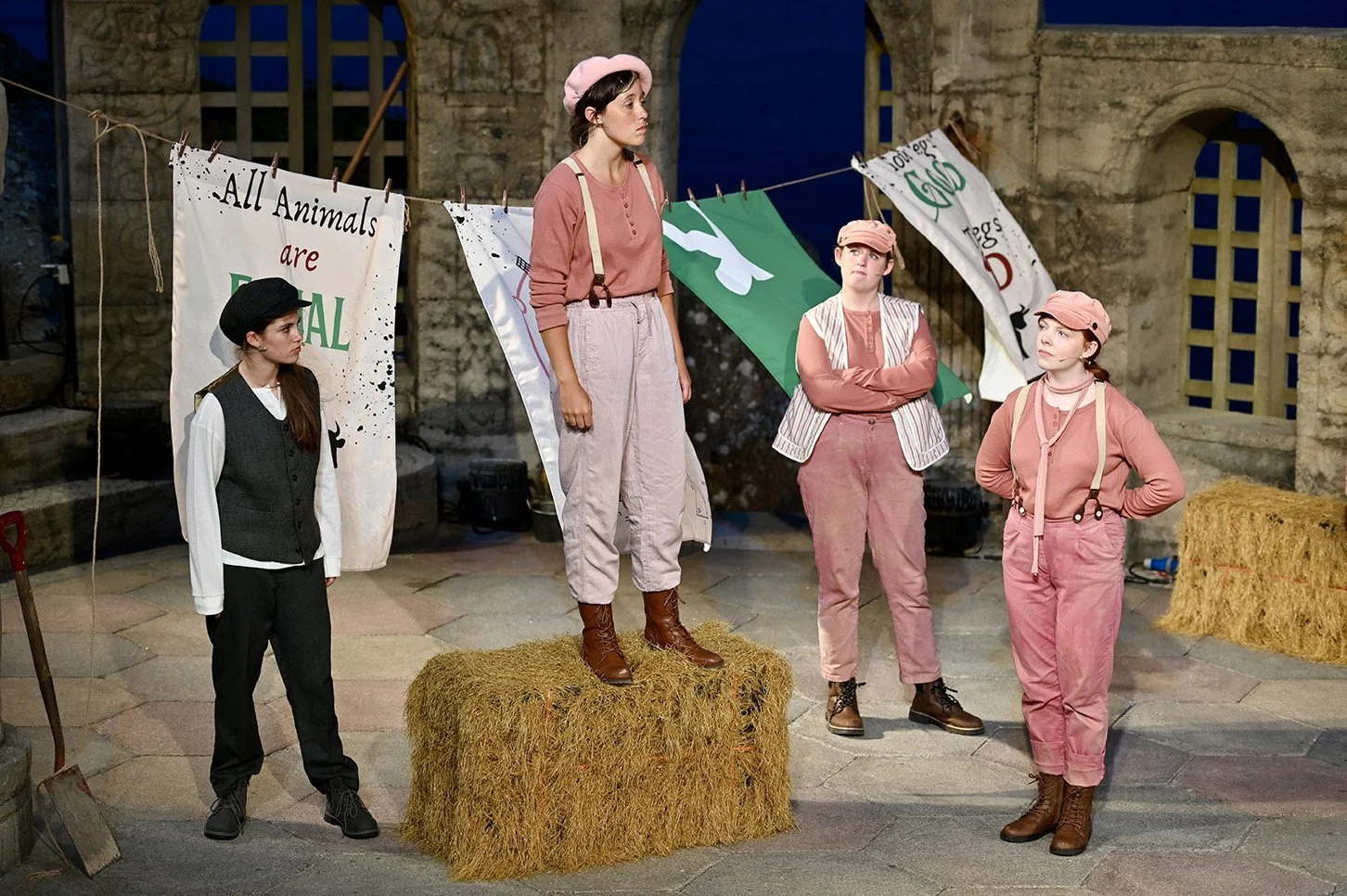
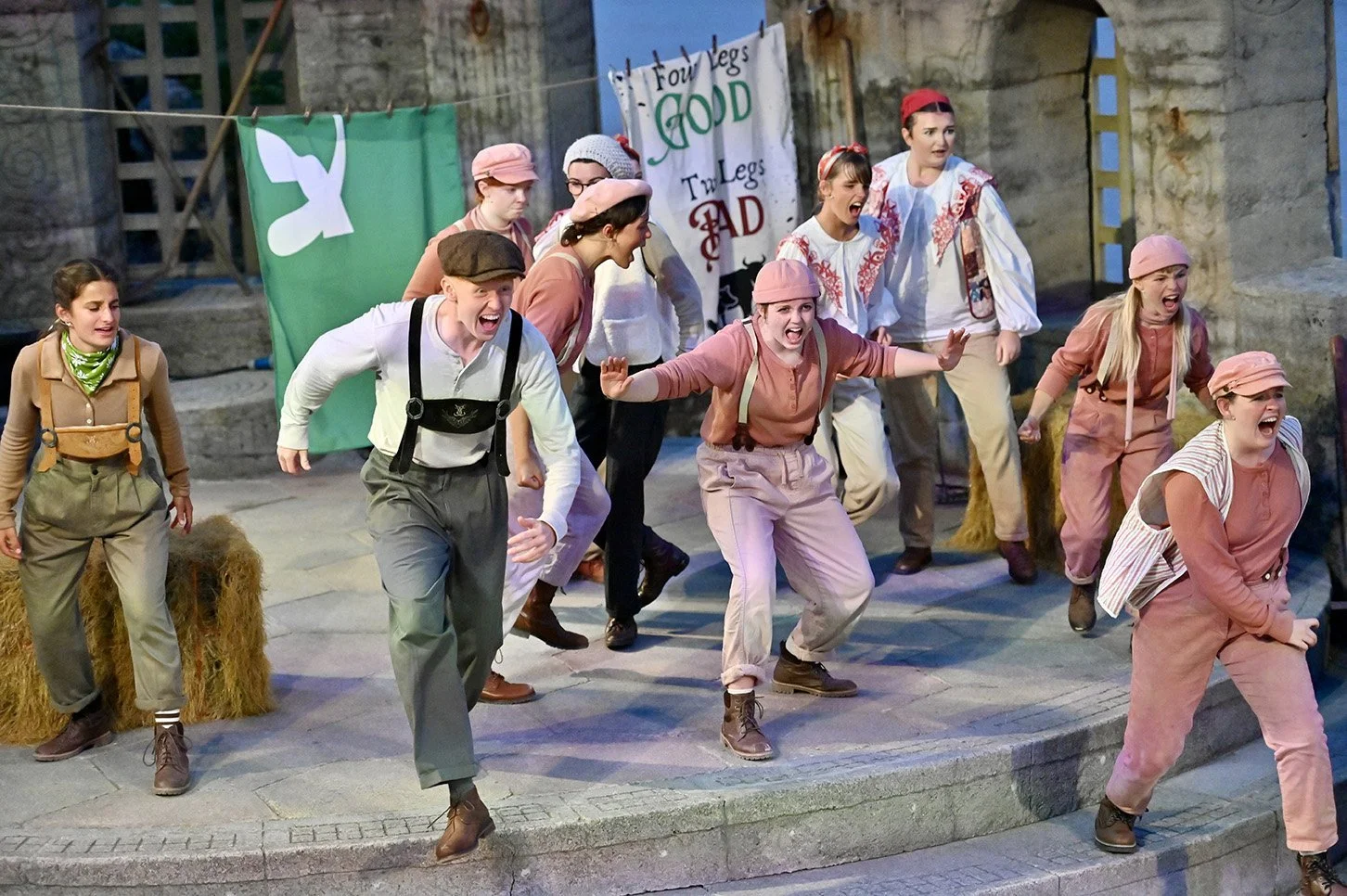
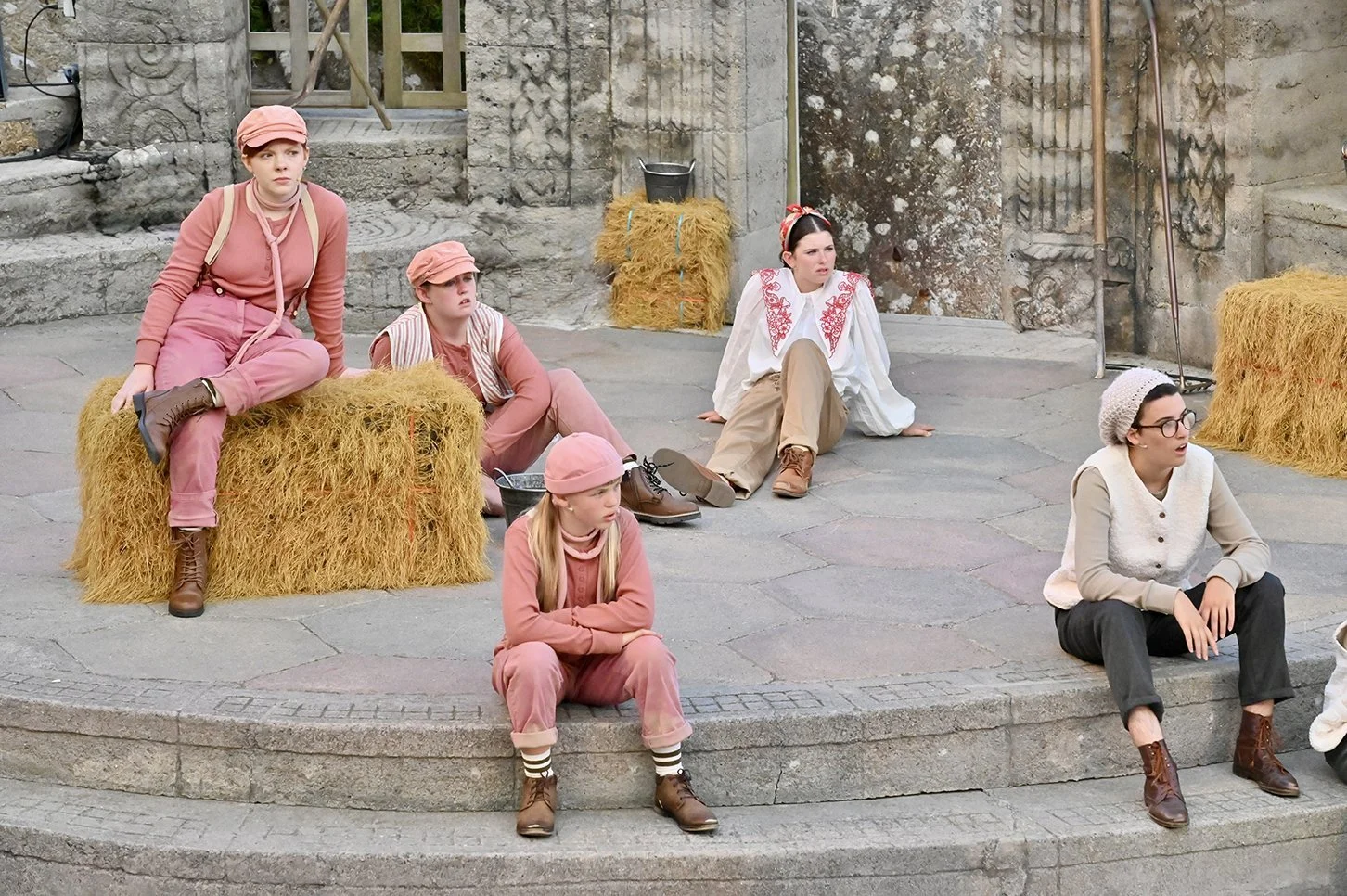
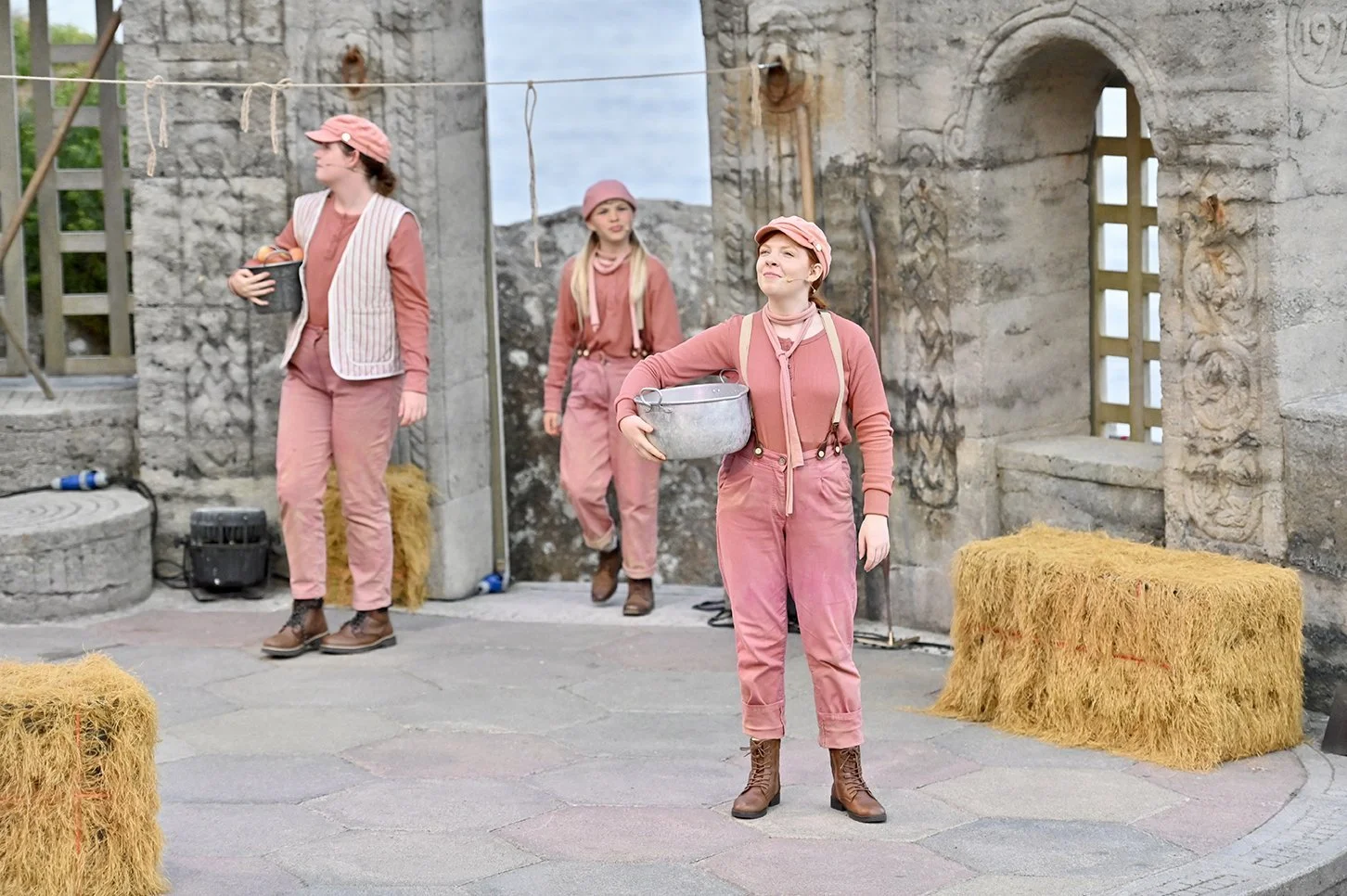
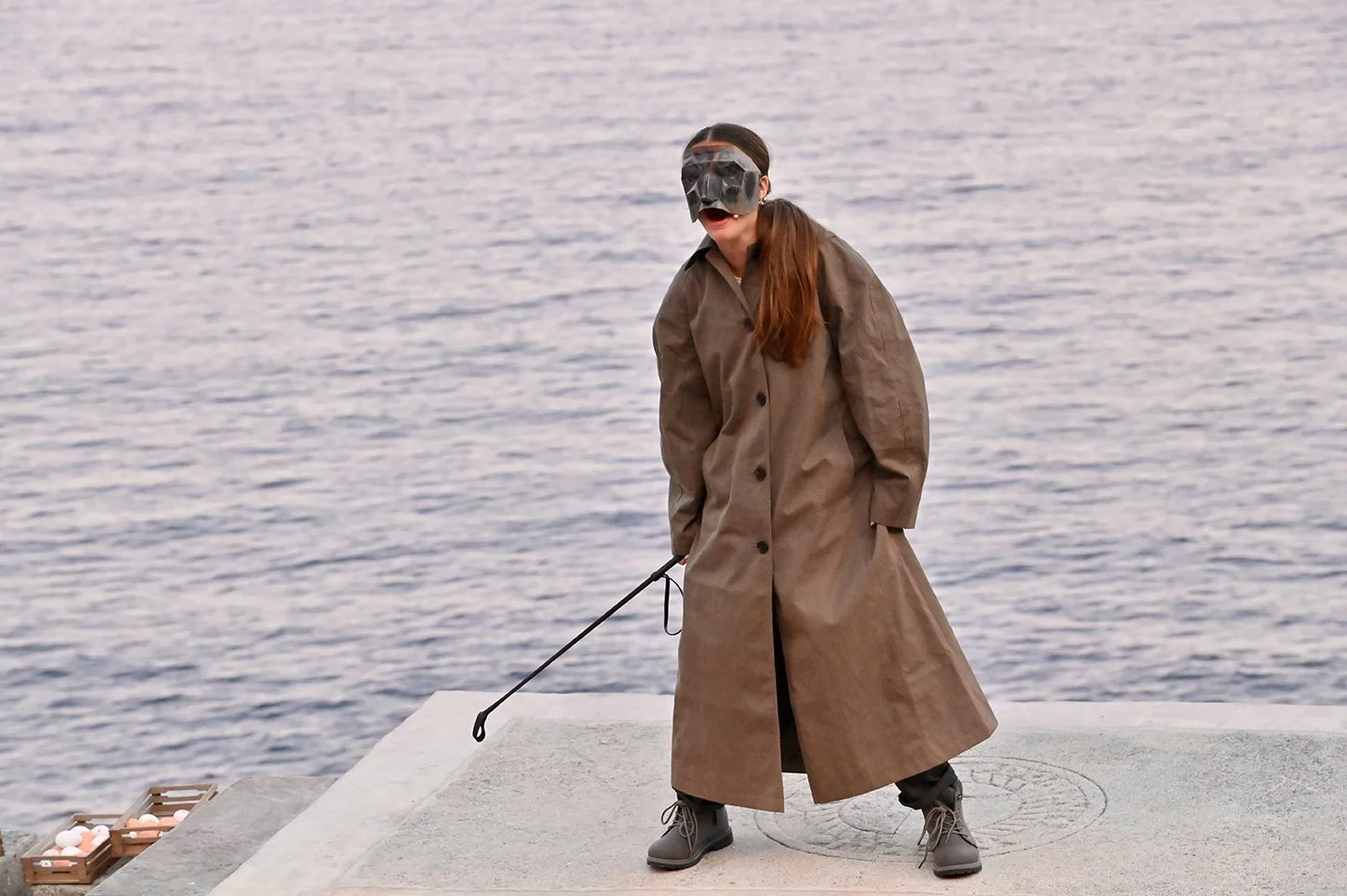
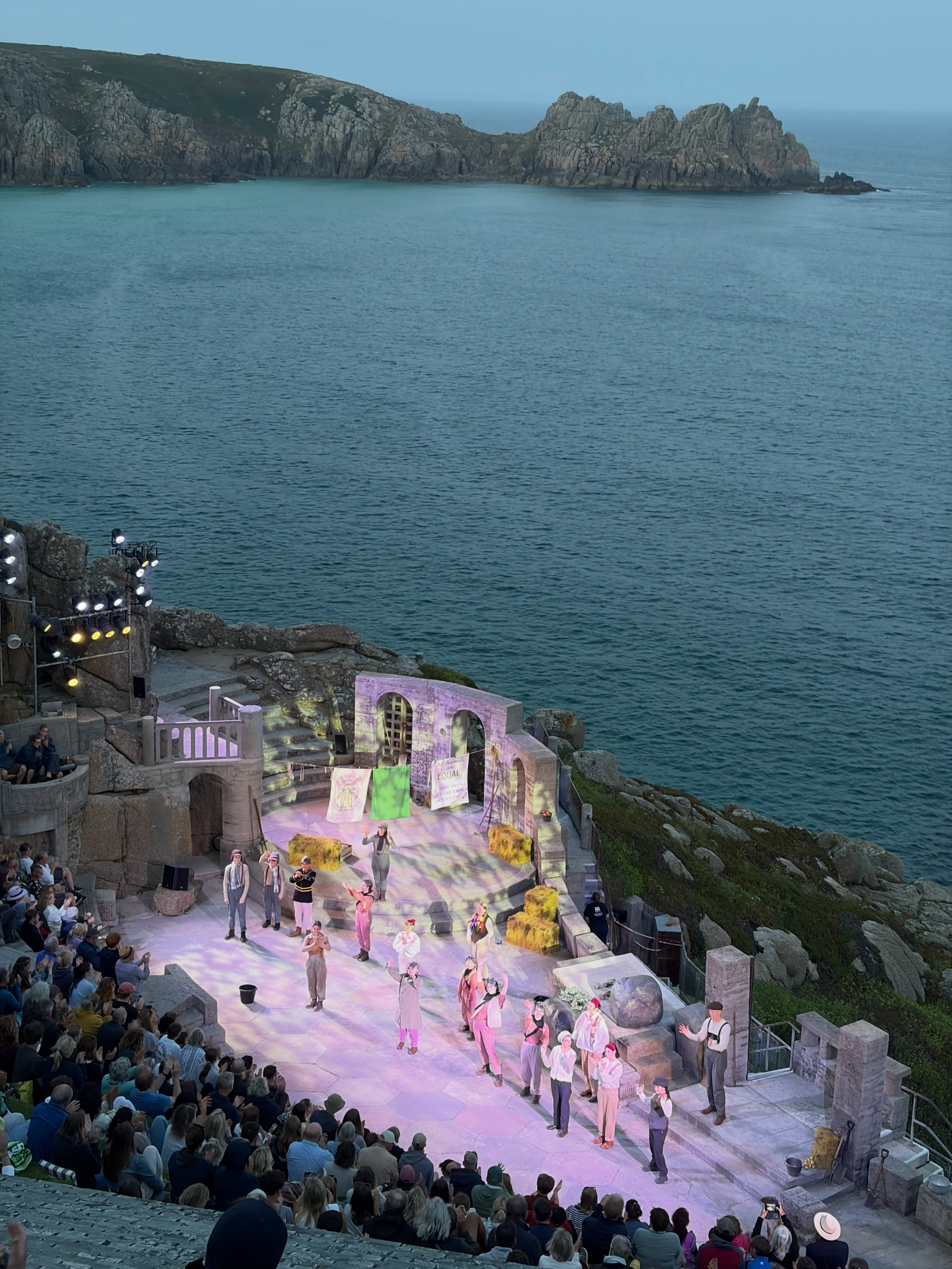
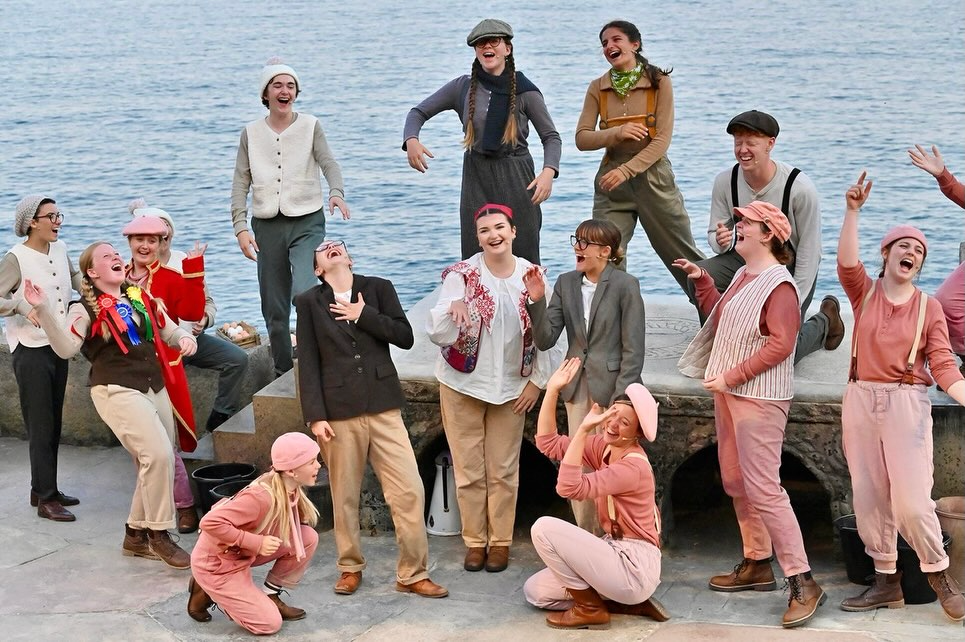
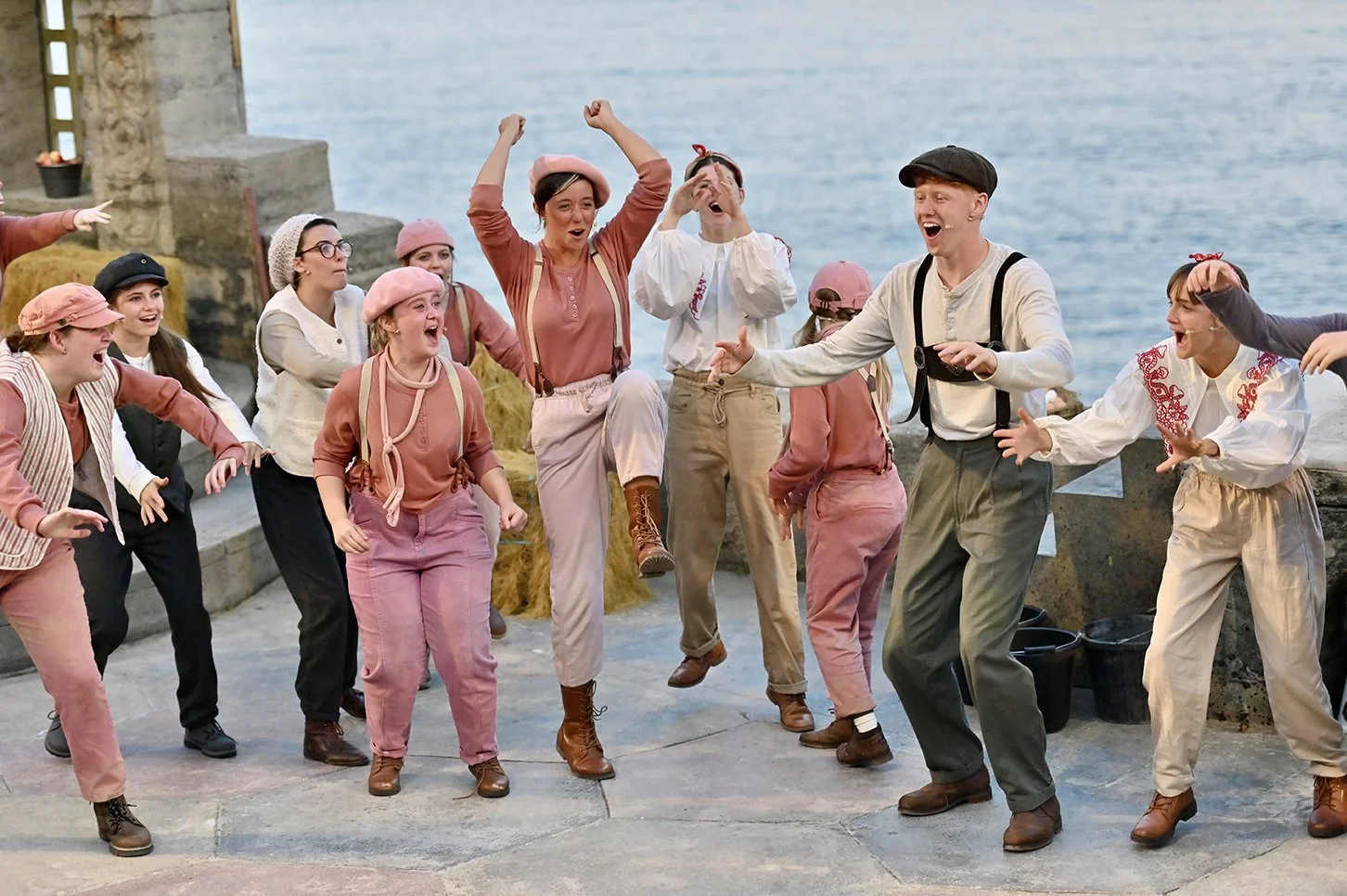
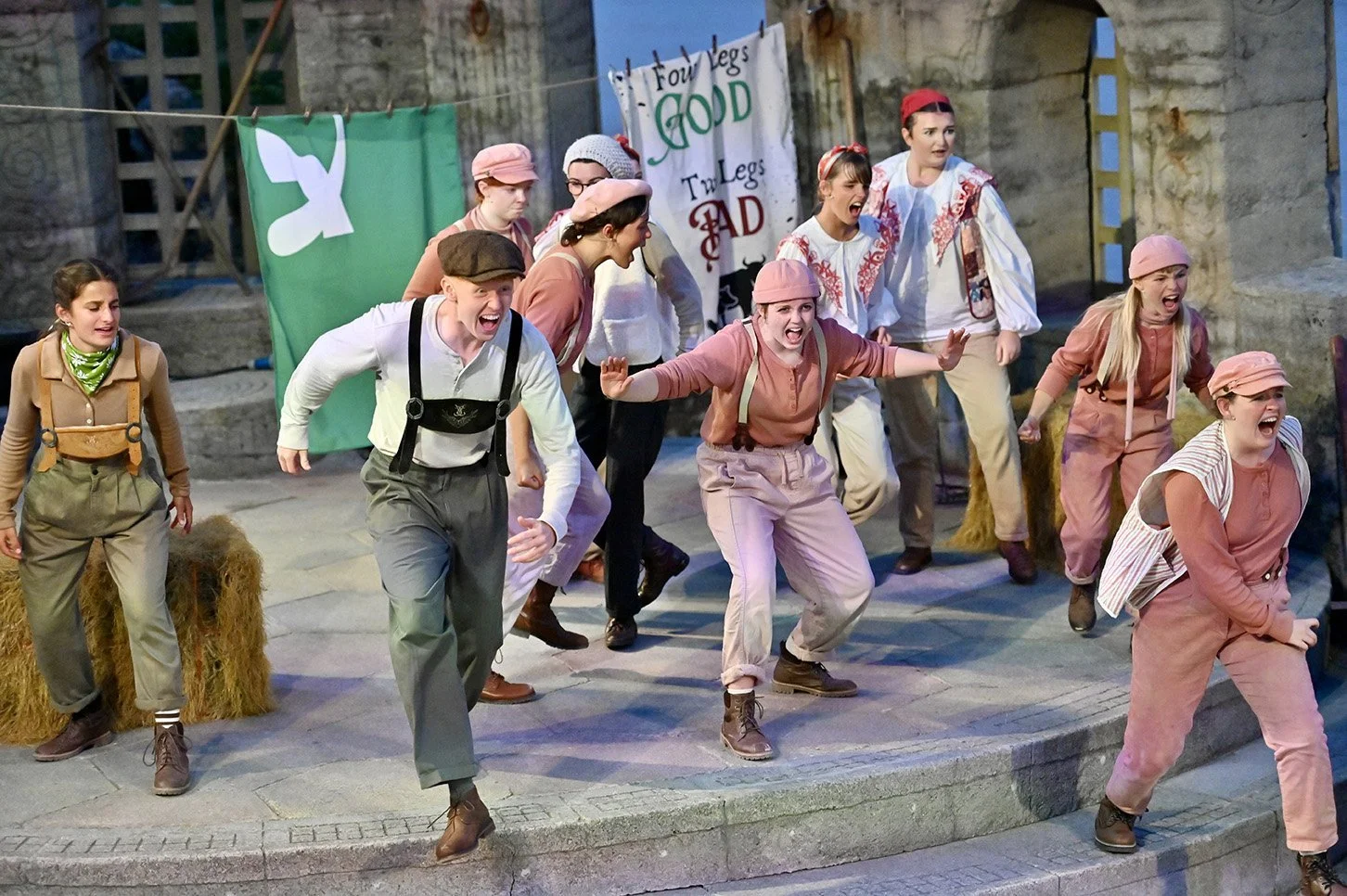
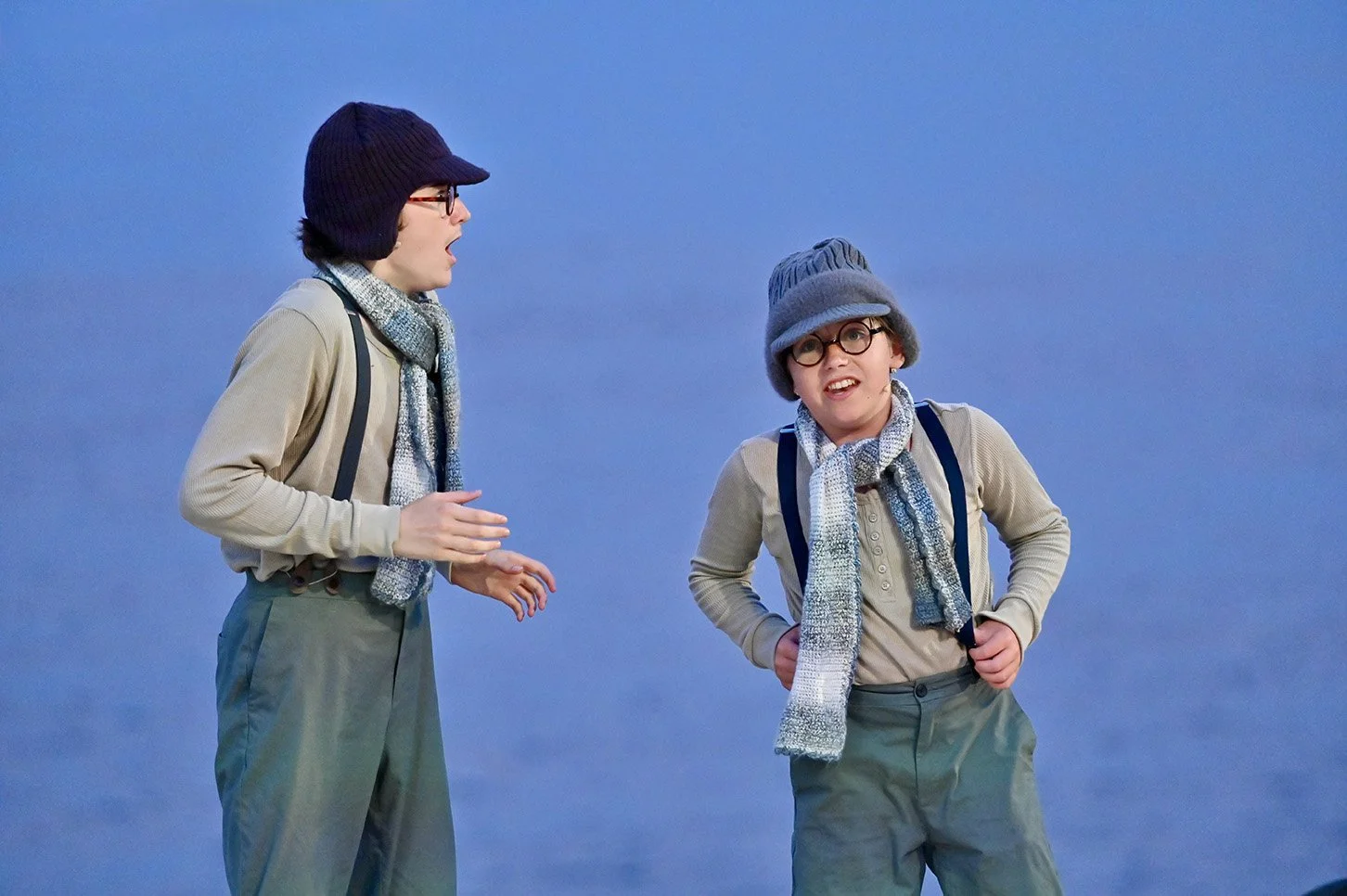
Animal Farm was a play performed at the Minack Theatre by 17 actors from the Minack Acting Academy, alongside one understudy. The production was staged at the Minack before continuing on tour, with the touring version performed without the radio mics used at the Minack.
The production had one technical rehearsal and one dress rehearsal before a run of five performances at the Minack Theatre. Sound design was used throughout the production alongside a 19-channel radio microphone system, including two spare packs.
My part
As Sound No. 1, I was responsible for programming TheatreMix and operating the radio microphones throughout the five performances. I used 17 radio mics across the cast, with two additional packs available as spares, and mixed the dialogue line by line throughout the show.
I programmed the TheatreMix file around the script and prepared the microphones for each performer before the run. During performances, my main focus was staying ahead of the dialogue and maintaining a clear and consistent vocal mix while following the pace of the action on stage.
SOUND APPROACH & GOALS
The main aim was to maintain a clear and natural dialogue mix across the cast, while keeping the radio mic system reliable throughout each performance.
PRIORITISING LEAD ROLES
Following RF issues during previous productions, I organised the radio packs so the most reliable frequencies were prioritised for the lead roles. This meant that if interference returned during a performance, the principal dialogue was less likely to be affected and any less reliable channels could be kept on ensemble roles.
LINE-BY-LINE MIXING
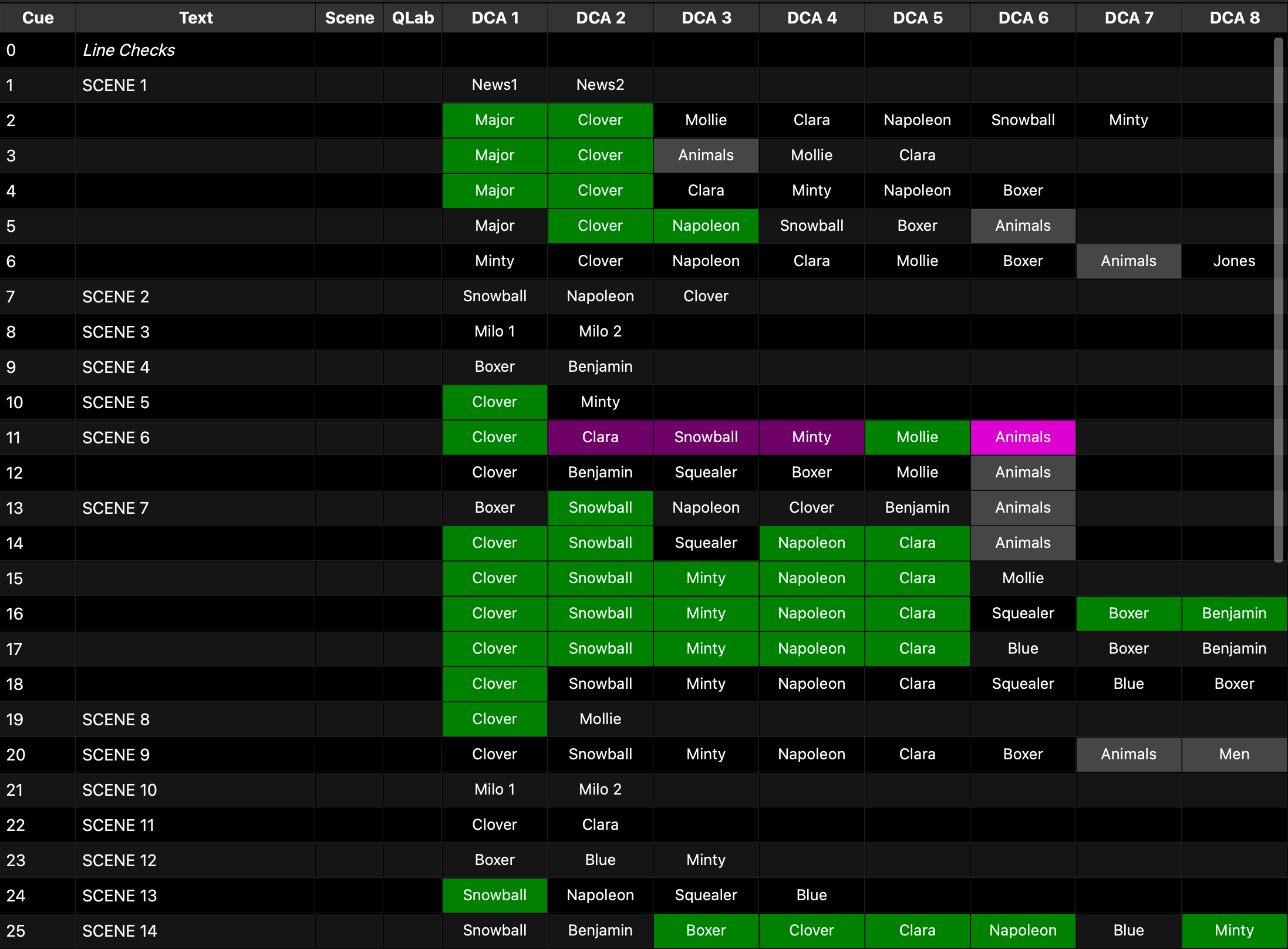
With a dialogue-heavy play and 17 performers on radio mics, I mixed the production line by line rather than leaving multiple microphones open. Following the script closely allowed each microphone to be brought in when needed, keeping the dialogue clear while reducing unwanted wind and spill from other performers.
CONSISTENT DIALOGUE
With the production focused heavily on spoken dialogue, the mix needed to sound natural rather than overly processed. I adjusted levels between performers and used the processing on the SQ6 to keep quieter and louder voices balanced, while allowing the dynamics of the actors’ performances to remain natural.

CHALLENGE & SOLUTION
The challenge:
RF interference continued to affect some of the radio microphone frequencies, creating the possibility of packs dropping out during performances. With 17 actors relying on radio mics throughout a dialogue-heavy production, maintaining reliable coverage was particularly important.
The Solution:
I used Sennheiser Wireless Systems Manager to scan the RF spectrum and identify clearer frequencies, moving affected radio mics where necessary. I also organised the packs so the most reliable channels were used by the lead roles, reducing the impact on the production if interference appeared again during a performance.
THEATREMIX PROGRAMMING
TheatreMix was programmed around the production script, with each character assigned to their radio microphone and cues following the dialogue throughout the show. This allowed me to move through the production line by line while keeping track of the 17 cast microphones during each performance.