Once Upon A Musical
About the production
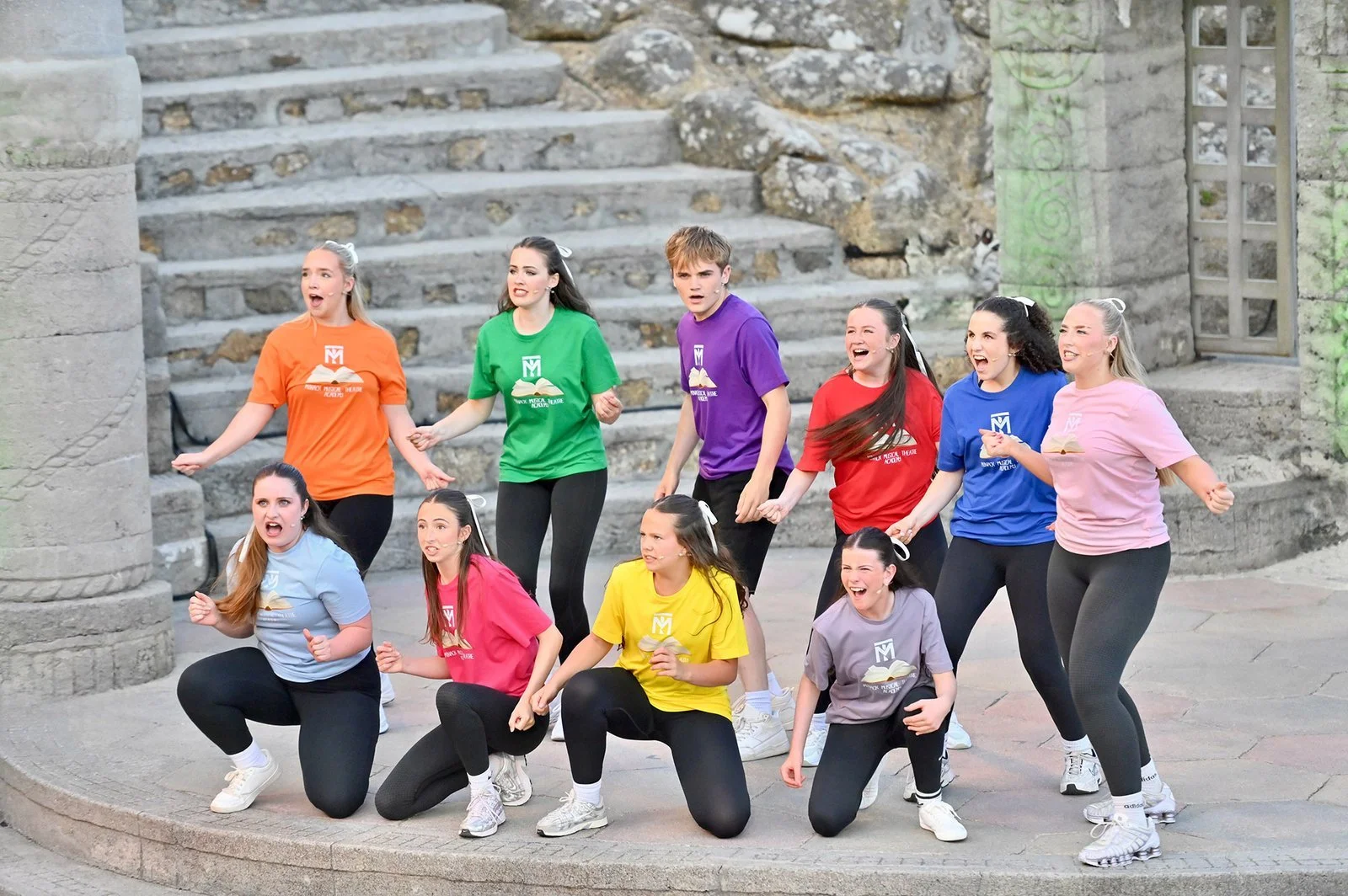
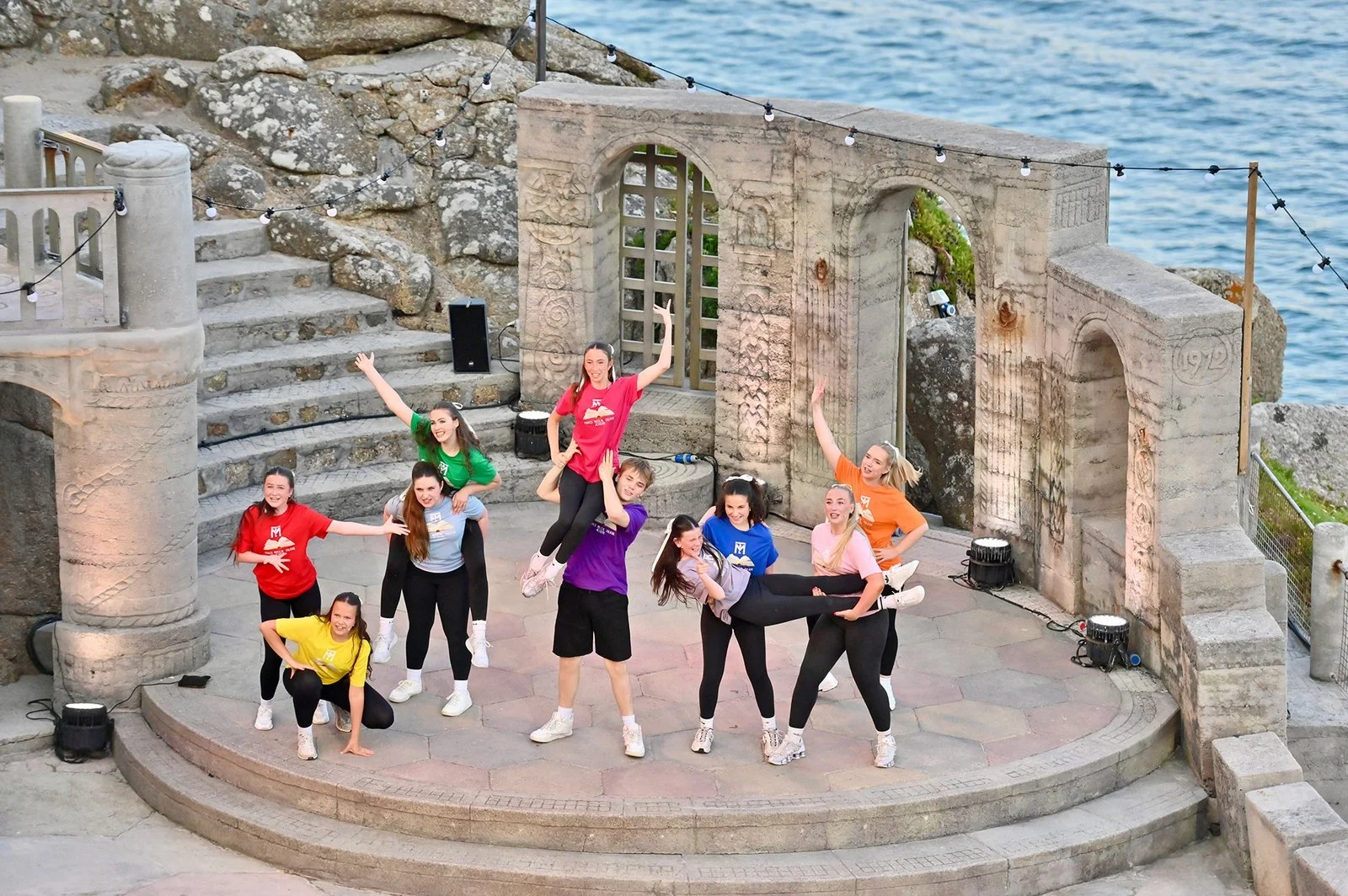
Once Upon a Musical was a musical mashup performed at the Minack Theatre by a small cast of 10 from the Minack Musical Theatre Academy. The show brought together songs from different musicals, using a mixture of tracks and a live three-piece band made up of drums, keys and guitar.
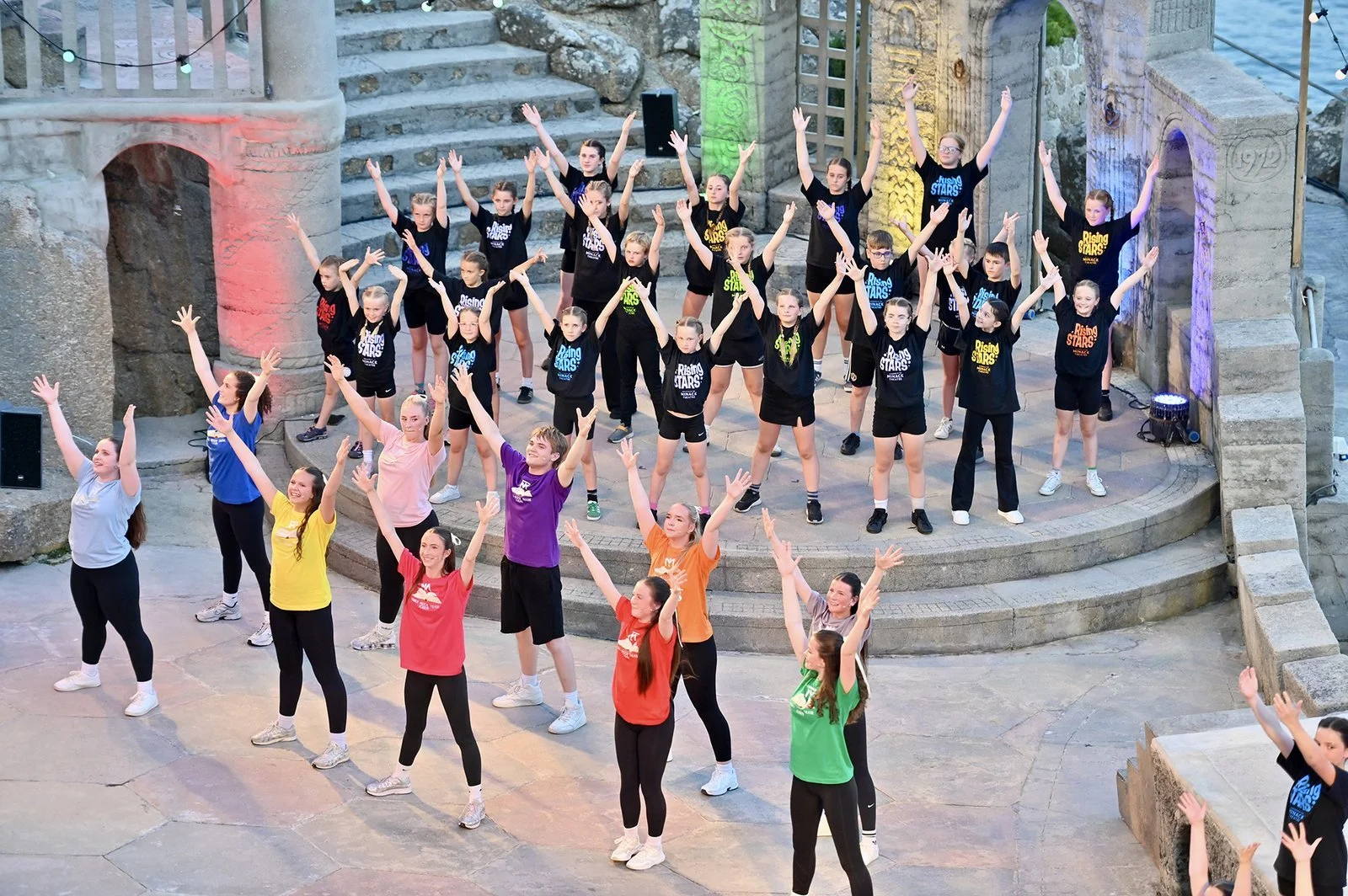
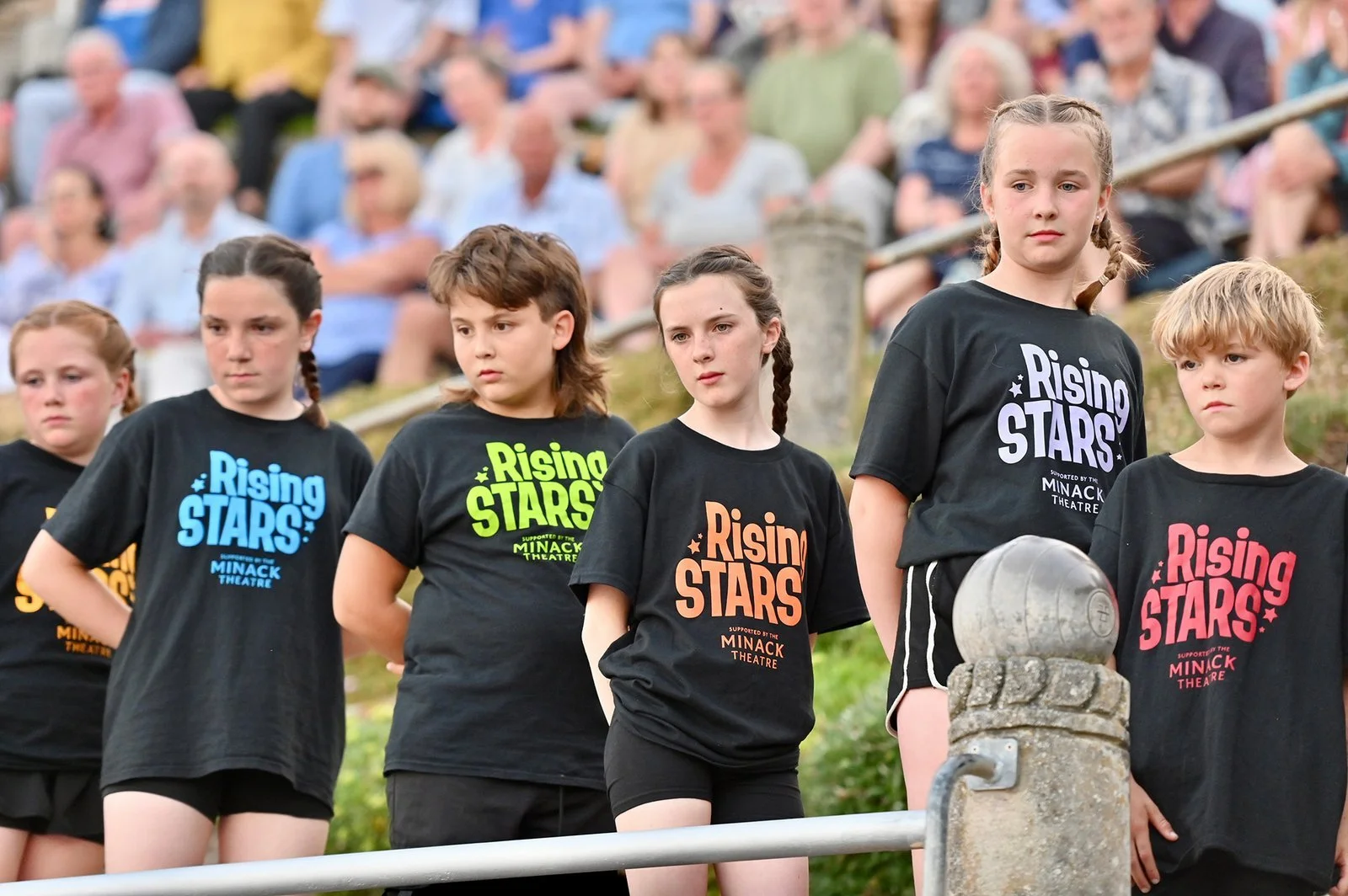
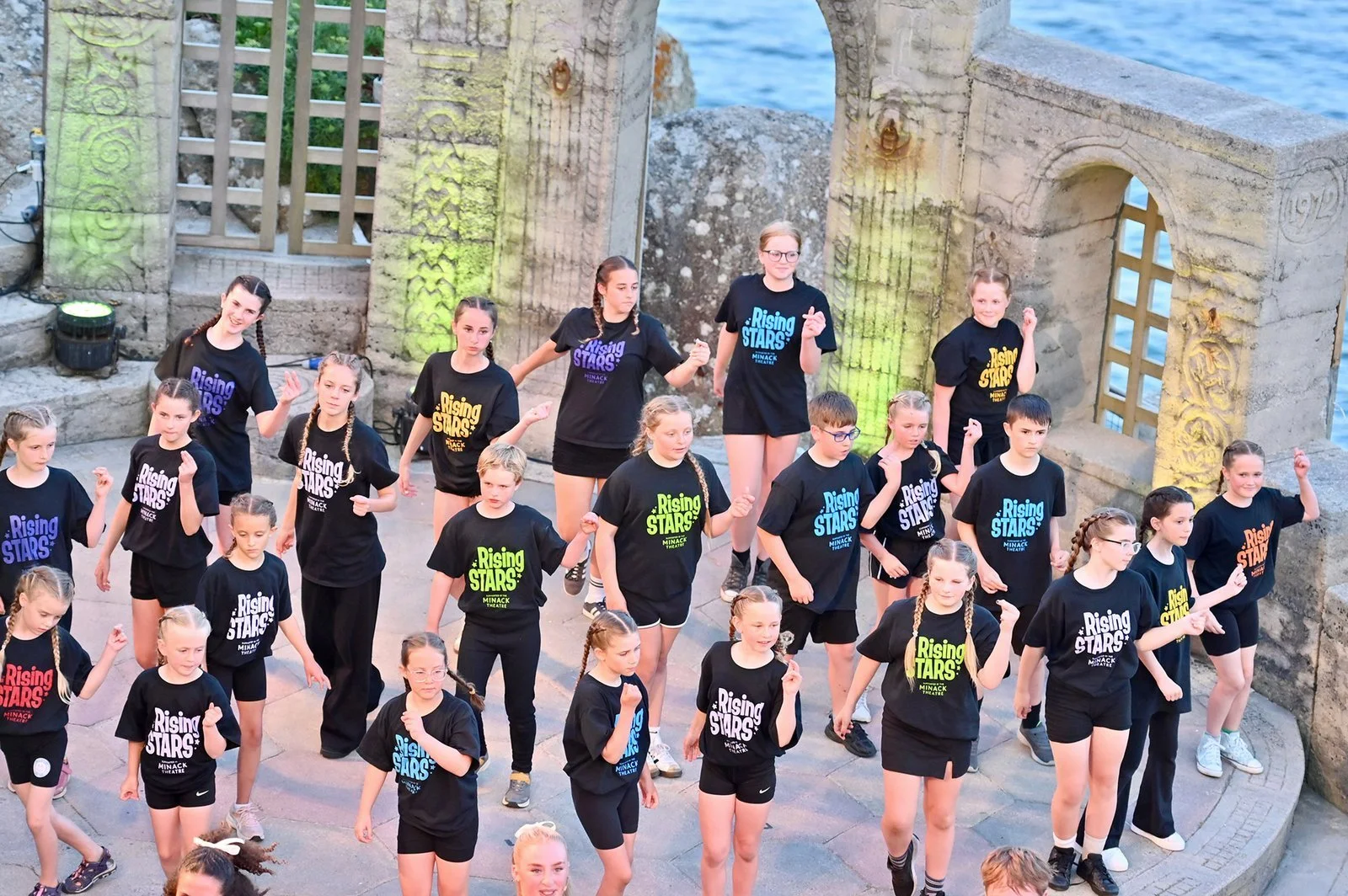
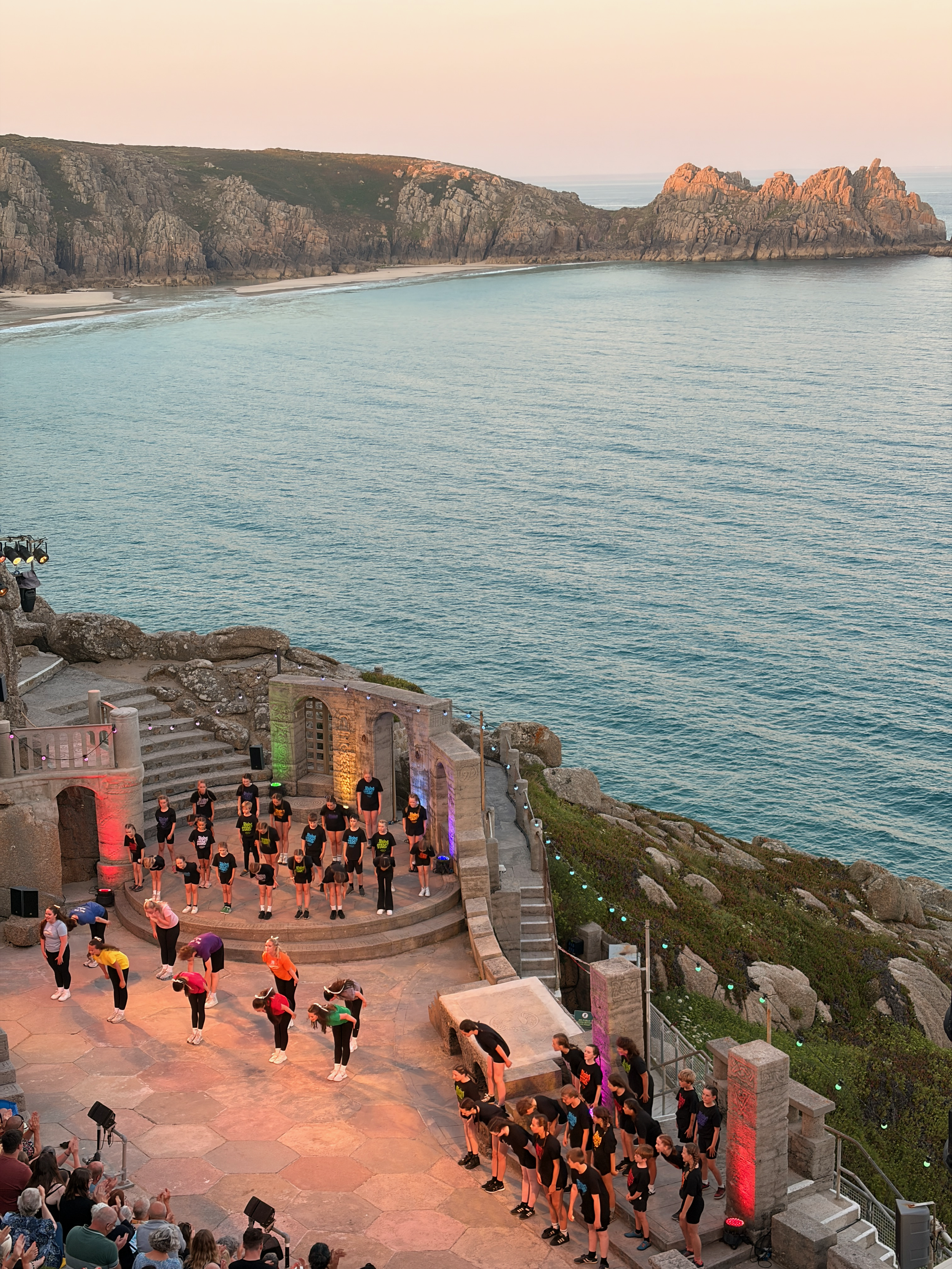
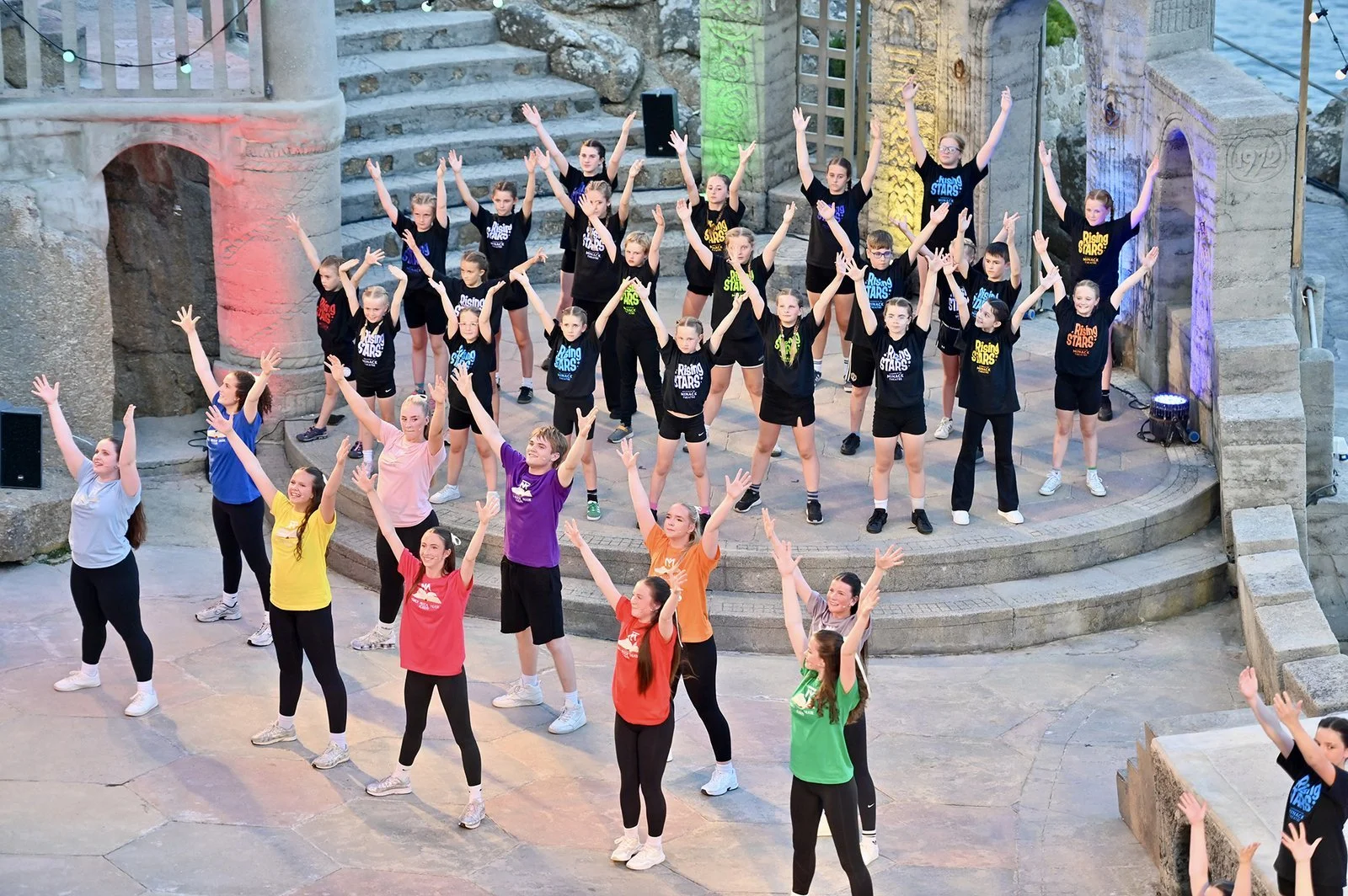
The production also featured around 50 young performers from Rising Stars, who joined the main cast for two individual songs and the bows. The show had one technical rehearsal, followed by the dress rehearsal on the morning of the first performance, before a run of three performances at the Minack Theatre.
My part
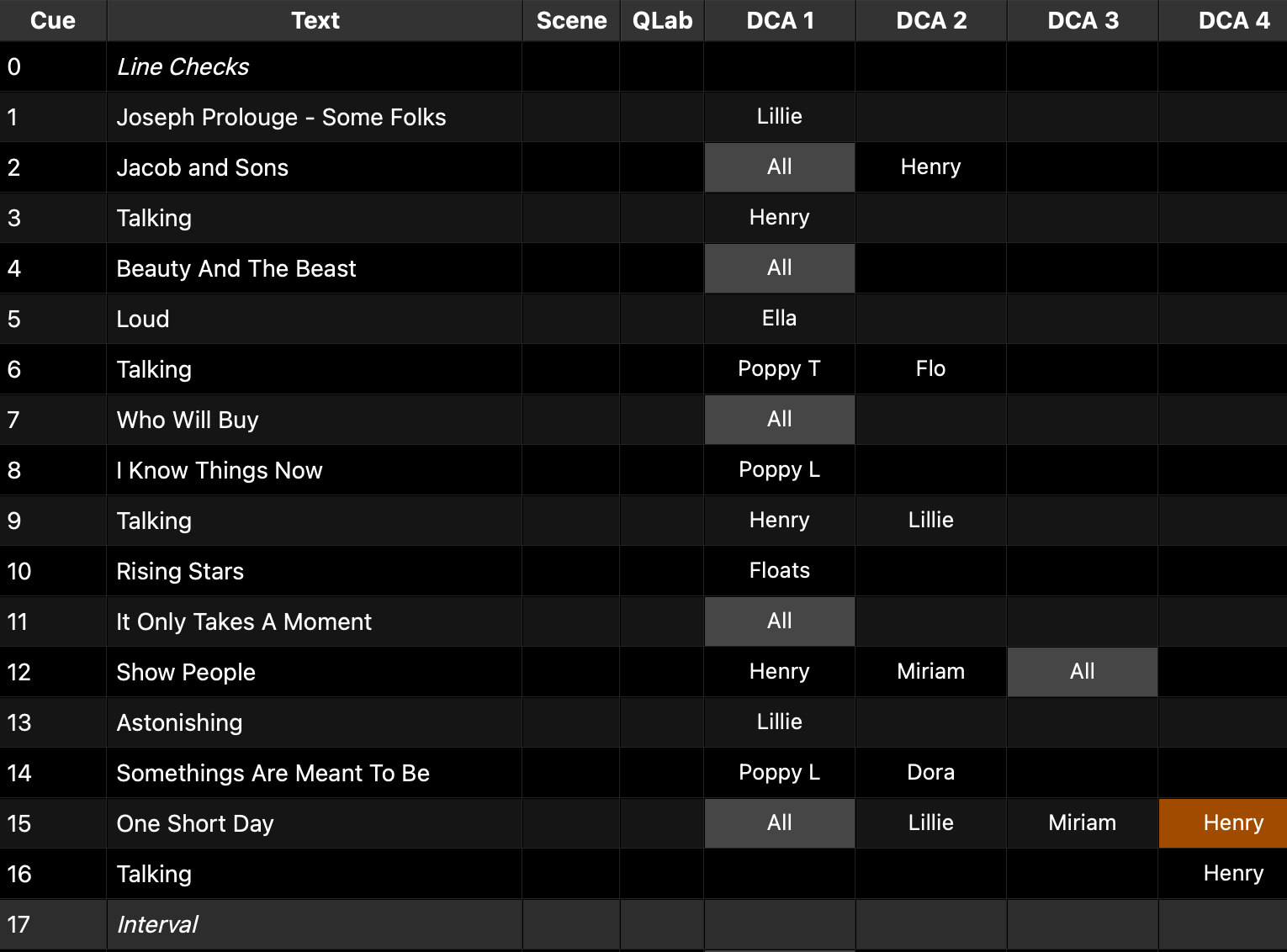
As Sound No. 1, I programmed TheatreMix and mixed the cast, live band and tracks throughout all three performances using the Allen & Heath SQ6. The cast used 10 radio microphones, with TheatreMix controlling assignments and helping manage the microphones throughout the show.
I also mixed the three-piece band and set up the monitoring system using Allen & Heath ME-500 personal mixers for the first time, allowing each musician to create their own monitor mix. I joined the production at short notice, so the SQ6 show file, TheatreMix programming, input lists and script preparation all had to be completed in the few days before the technical rehearsal.
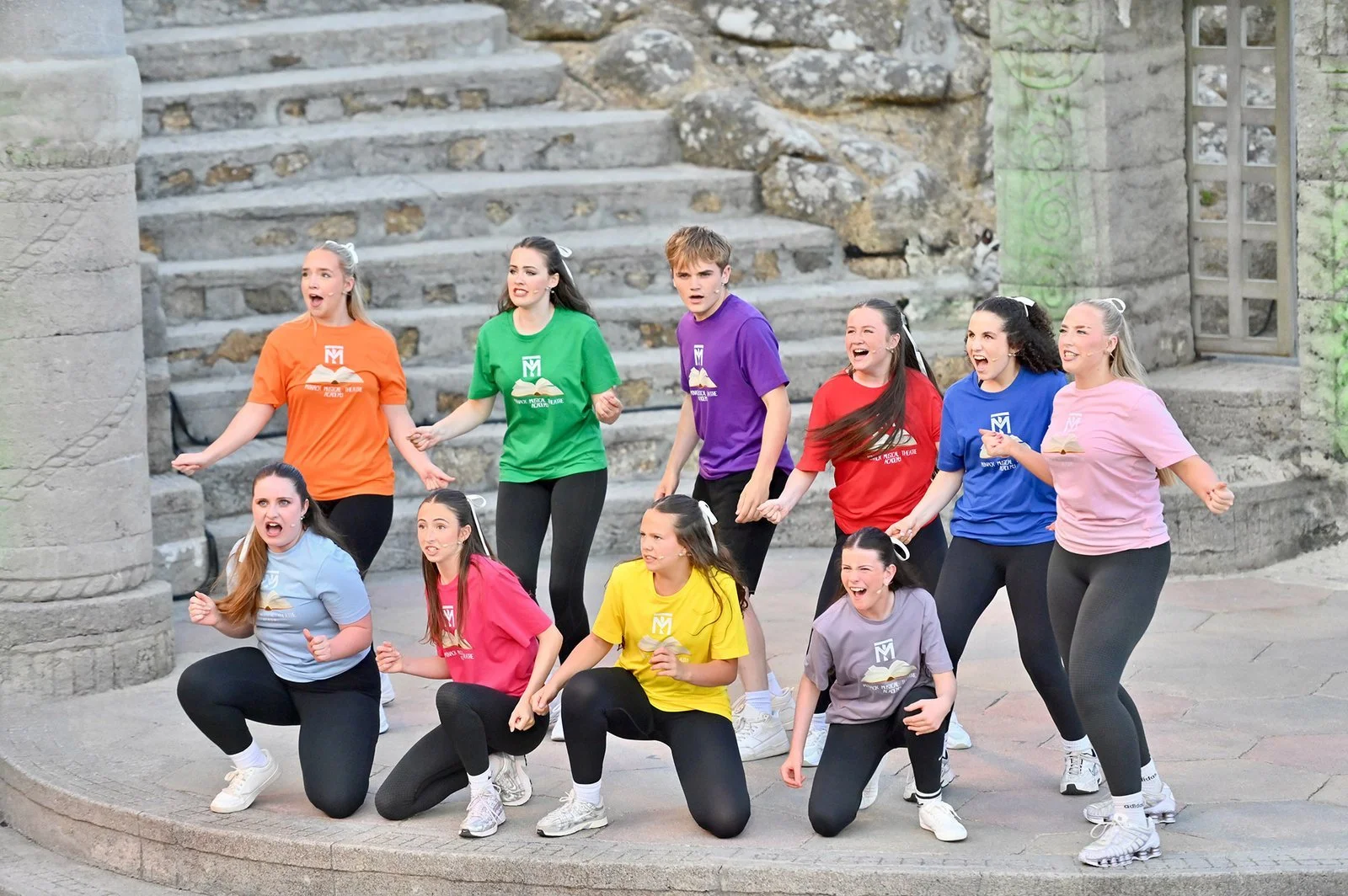

SOUND APPROACH & GOALS
The main aim was to create an energetic musical theatre mix from a relatively small cast and band, using effects and dynamic mixing to help the bigger musical moments have more impact.
MAKING THE CAST SOUND BIGGER
With a cast of only 10, some of the larger ensemble numbers needed to feel bigger than the number of performers on stage. I used chorus effects alongside manual panning to add width to the vocals, helping the ensemble sections feel larger while keeping individual lines clear when the show returned to dialogue.
THEATREMIX & EFFECTS
TheatreMix wasn’t only used to manage the radio microphones. I programmed FX assignments to change throughout the show, allowing different effects to be used between dialogue and musical sections. This meant the processing could follow the performance without needing to manually change every assignment while mixing.
FAST-PACED MIXING
Some sections of the show had lots of short lines happening back-to-back, meaning cues could come very quickly with little time between them. I mixed the cast line by line while staying ahead in the script, but also had to listen closely and react when the young performers added ad-libs, changed the order of lines or delivered things differently from what had been rehearsed.
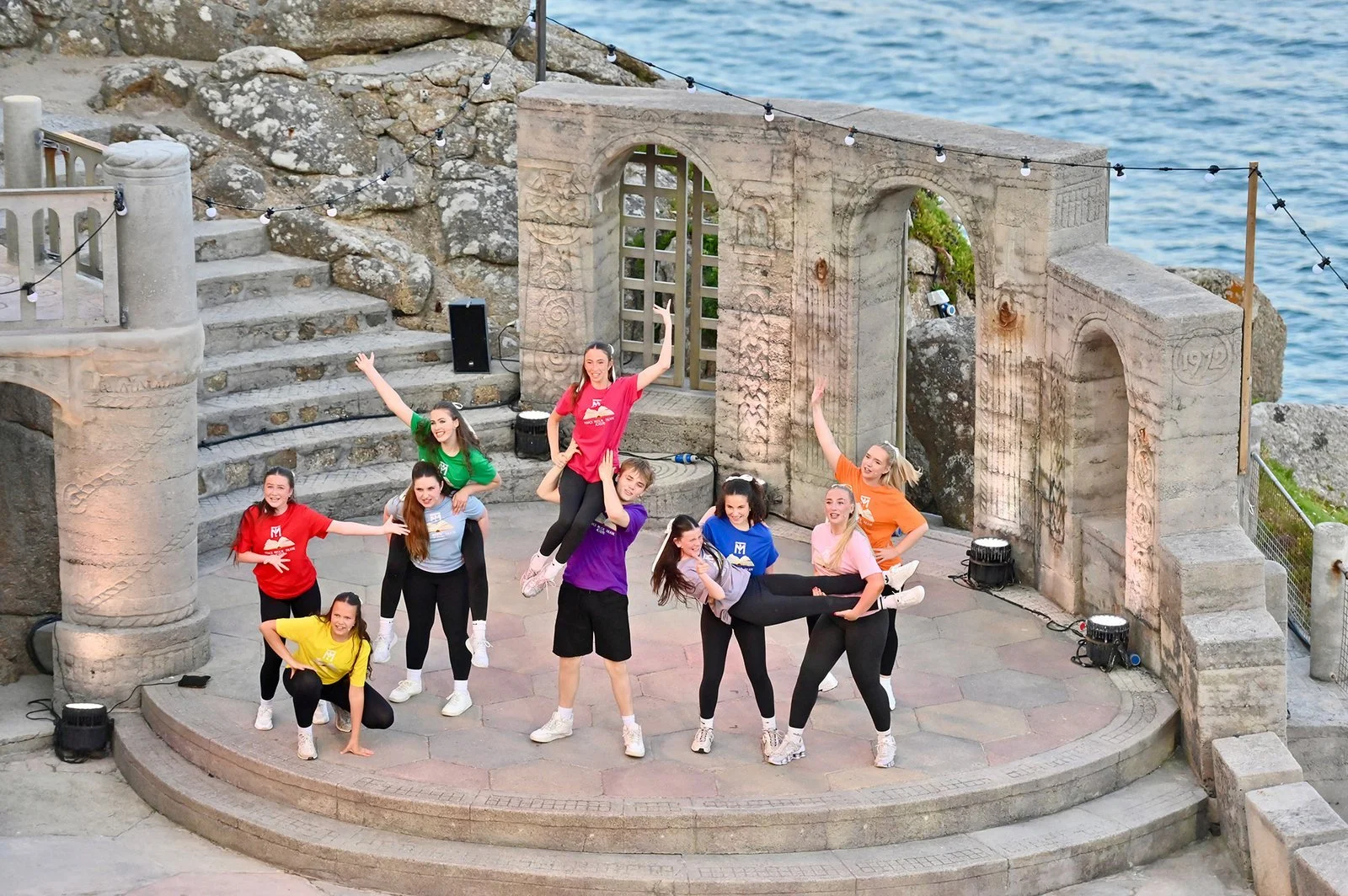
CHALLENGE & SOLUTION
The challEnge:
During the production I experienced RF interference which caused some of the radio microphones to become unreliable and occasionally cut out. With 10 radio mics on the main cast and a large group from Rising Stars also needing amplification for their sections, keeping the wireless system reliable throughout the show was important.
The Solution:
I used Sennheiser Wireless Systems Manager to scan the available RF spectrum and identify clearer frequencies away from the interference. The radio mics were then moved onto suitable frequencies to improve reliability. For the Rising Stars numbers, I used four float mics spread around the stage to pick up the larger group without needing to individually mic all 50 performers.
THEATREMIX PROGRAMMING
TheatreMix was programmed before arriving at the theatre, with microphone and FX assignments built around the structure of the show. I also prepared the SQ6 show file in advance, with my FX libraries already loaded and the desk set up ready for the cast and band. This gave me a solid starting point when we arrived at the theatre and meant less time was spent building the show during tech. With such a short turnaround, I could then use the limited rehearsal time to work on the mix, adjust processing and effects, and make changes with the cast and band.